
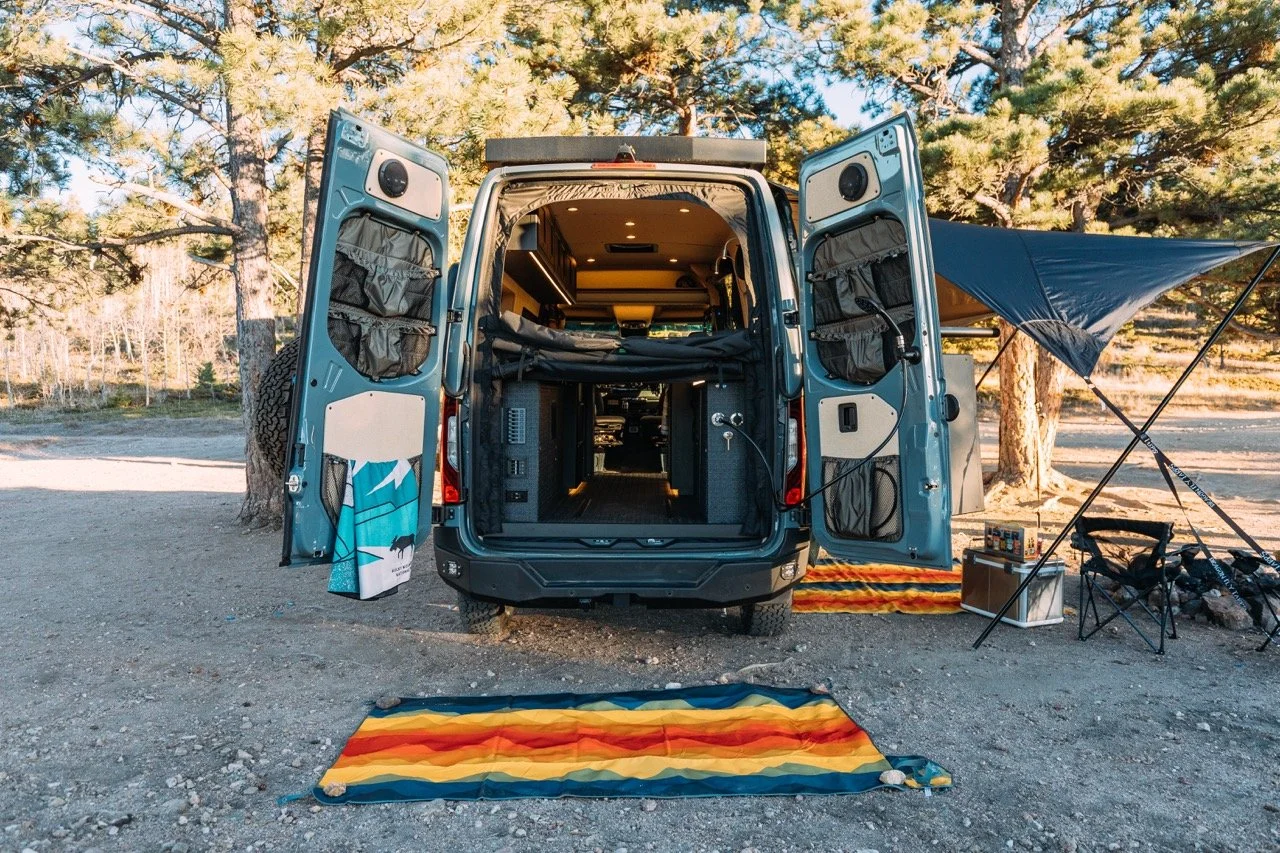
Is Van Life Worth It? The Honest Pros, Cons & Costs
Is van life worth it? Explore real costs, pros, cons, and lifestyle realities to decide if van living fits your goals, budget, and comfort level.
Van life isn’t a trend anymore. It’s a real lifestyle choice people are making every day. People do it because they value adventure and flexibility, or maybe it’s because of a mid-life process.
But before you sell your stuff, buy a van, and hit the road, there’s an important question to answer: is van life actually worth it? Not in a dreamy, highlight-reel way, but in the day-to-day, real-life sense.
The truth is, van life can be incredibly rewarding… but also sometimes occasionally frustrating. It can feel freeing one day and inconvenient the next. Understanding both sides is what separates a great experience from a short-lived experiment.
What People Think Van Life Is Like
Most people imagine van life as constant movement and perfect scenery. You wake up somewhere beautiful, make coffee with the doors open, work a little, then spend the rest of the day exploring. No schedule. No stress. Total freedom.
And yes, those moments absolutely happen, but they’re not every day. Real van life includes hunting for cell service, dumping trash, refilling water, and figuring out where you’re sleeping tonight. It includes rainy days, cold mornings, hot afternoons, and the occasional parking spot that’s more practical than pretty.
The Real Pros of Van Life (Yes, There Are Many)
Freedom is the biggest contender, and it’s not just about travel; it’s about flexibility. You’re no longer locked into a lease, a single location, or a rigid routine. If a place feels good, you stay. If it doesn’t, you move on.
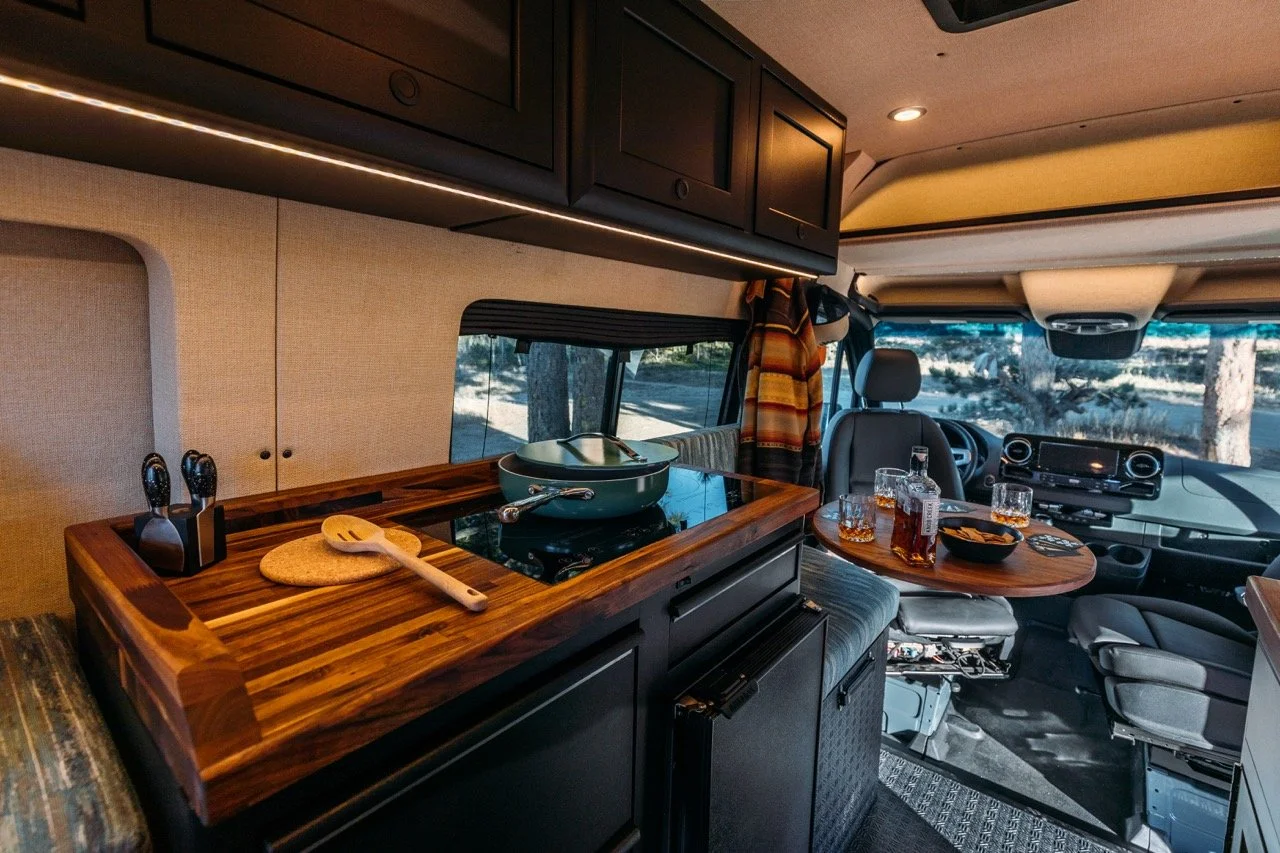
There’s also a simplicity that sneaks up on you. Limited space forces you to be intentional about what you own, how you spend your time, and what actually matters. Your daily routines slow down. Cooking feels more hands-on. Mornings and evenings become something you notice instead of rush through.
Van life also puts you closer to the outdoors in a very real way. Trailheads, lakes, deserts, and quiet public land become part of your backyard. When your van is built for off-grid living, those places are easier to access and more comfortable to stay in.
The Cons Nobody Talks About Enough
Living in a van means every system matters. When something breaks, it’s not just inconvenient, it affects your entire day. Power, water, heating, ventilation, and layout all play a huge role in how enjoyable van life feels long-term.
Space is another adjustment. You’ll feel it on bad weather days, when you’re sick, or when you just want a little room to spread out. Storage has to be smart, and clutter adds up quickly.
Weather is a constant factor, too. Heat, cold, wind, and humidity are much harder to ignore when your home is on wheels. Proper insulation, airflow, and power aren’t luxuries, they’re necessities.
Then there’s the mental side. Planning where to sleep, staying flexible, and dealing with uncertainty can be tiring if you’re not prepared for it. Van life rewards adaptability, but it definitely does demand it.
How Much Does Van Life Actually Cost?
Van life isn’t as cheap as the internet sometimes makes it sound.
Upfront, the van itself is a major investment. Used cargo vans typically range from $20,000–$40,000. Used Mercedes Sprinters often fall between $35,000–$55,000, with new ones climbing higher.
Build costs vary even more. DIY builds can land anywhere from an additional $8,000–$20,000, while professional conversions usually range from $40,000–$100,000+. The difference often comes down to reliability, comfort, and how well systems are designed to work together.
Monthly costs depend heavily on travel style. Slower, more stationary van life often runs around $1,200–$1,800 per month. Comfortable full-time travel usually lands between $2,000–$2,800. Faster travel with frequent paid campgrounds can push $3,000 or more.
Fuel, food, insurance, maintenance, connectivity, and occasional campground stays all add up. Van life isn’t automatically cheaper than renting, it’s just a different way of spending money.For a more in-depth breakdown about the cost of van life living, check out our blog.
Who Van Life Is and Isn’t For
Van life tends to work best for people who value freedom over space, flexibility over routine, and experiences over possessions. If you enjoy problem-solving, adapting to change, and spending time outdoors, it can be incredibly fulfilling.
It’s less ideal if you need a lot of personal space, thrive on predictability, or don’t want to think about logistics. There’s no right or wrong here, just different lifestyles.
Van Life Isn’t Perfect, It’s Personal
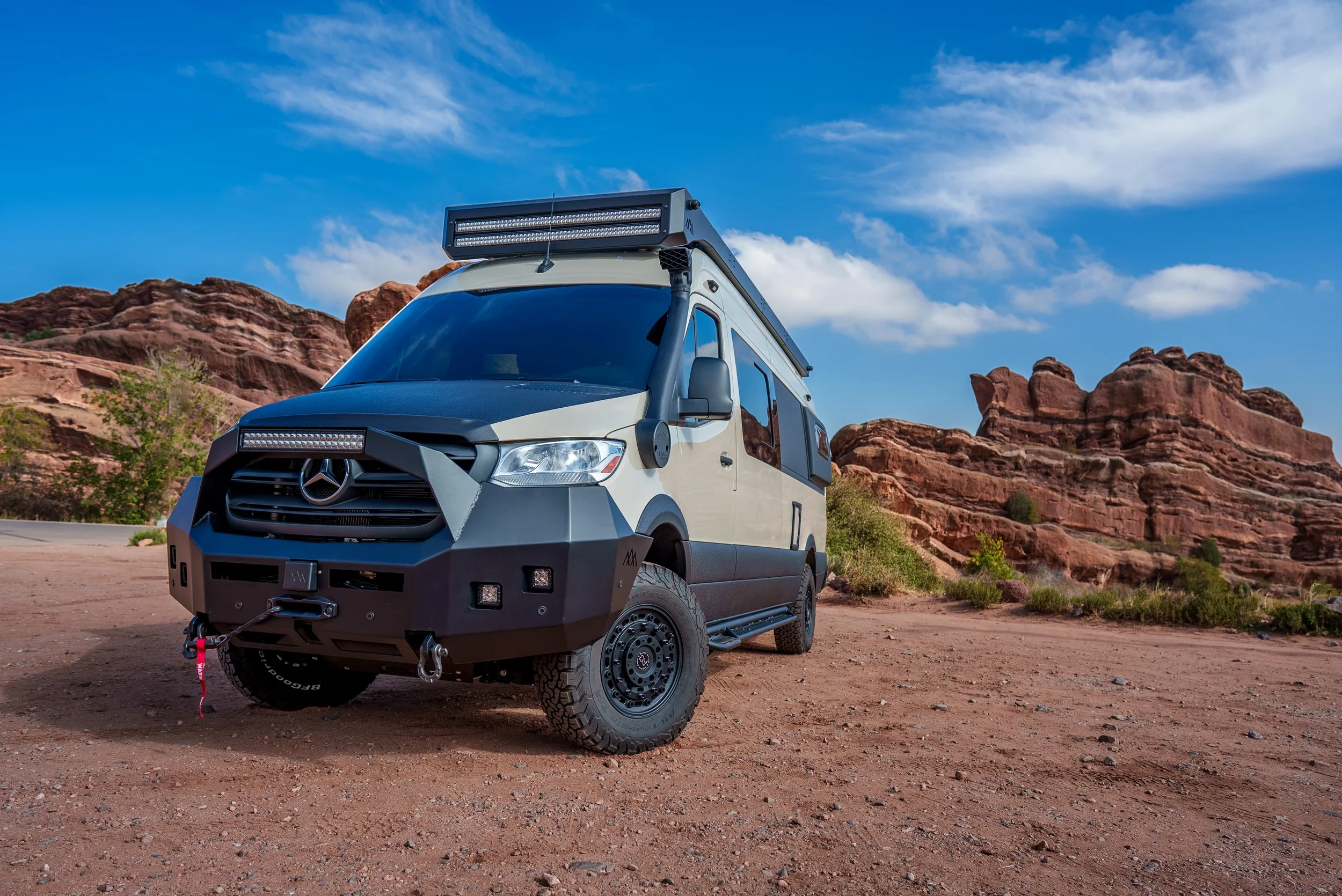
Van life isn’t about perfection. It’s about choosing what matters most to you and accepting the trade-offs that come with it. When expectations match reality, it can be one of the most rewarding ways to live and travel.
Thinking van life might be worth it for you? Explore our custom van builds designed for real-world travel.

Best RV Sites in America: Camping, Parks & More
There’s something magical about hitting the open road in a Sprinter van or RV, rolling through towering forests, desert landscapes, rugged coastlines, or the wide-open plains of the Midwest. America is packed with unforgettable campgrounds and RV sites that welcome travelers looking to unplug, relax, and explore. From off-grid escapes to coastal gems to national park treasures, this list highlights some of the most memorable places to park your rig.
Whether you’re traveling in an Earth Ship Sprinter Van or a classic motorhome, these destinations deliver on scenery, accessibility, and overall experience.
Zion Canyon Campground (Springdale, Utah)
If iconic red rock scenery and national park access are high on your list, Zion Canyon Campground is tough to beat. Located just outside Zion National Park, this spot is perfect for Sprinter vans and RVs that want convenience and adventure in equal measure.
The campground offers electric hookups, potable water, picnic tables, and restroom facilities. Remember that amenities are not always a given when you’re rolling through remote desert landscapes. Springdale’s restaurants and shops are within walking distance, and shuttle stops make it easy to explore Zion without driving into crowded parking lots.
Price: Approximately $30–$45 per night, depending on site and season.
How to Reserve: Book directly on the campground’s official reservation site. Summer and shoulder seasons fill up quickly, so plan ahead.
Best for: National park access and red rock views.

Pfeiffer Big Sur State Park (Big Sur, California)
Big Sur’s rugged coastline and ancient redwoods make it a bucket-list destination for many Sprinter van and RV travelers. Pfeiffer Big Sur State Park places you right in the forest, with easy access to scenic hiking and the Pacific Coast Highway.
While there are no hookups here, the shaded sites provide a peaceful home base from which to explore coastal trails, beaches, and local hidden gems. The campground has restrooms and drinking water on site.
Price: Around $35 per night (plus applicable vehicle fees).
How to Reserve: Secure your site through Reserve California—it’s essential, especially in spring and summer.
Best for: Big Sur’s incredible coastal landscapes.
Blackwoods Campground (Acadia National Park, Maine)
For East Coast Sprinter van travelers craving ocean views and crisp sea air, Blackwoods Campground in Acadia National Park is a standout choice. This campground is set close to the rocky Maine shoreline and offers quick access to Bar Harbor.
Sites are suited for vans and smaller RVs. While there are no hookups, potable water and restrooms are available. From camp, you can bike the park’s carriage roads, hike rugged seaside trails, or catch sunrise from Cadillac Mountain.
Price: About $30 per night. National park entrance fees are separate.
How to Reserve: Book through Recreation.gov. Summer and fall foliage months book up fast.
Best for: Oceanfront camping and classic New England scenery.

Elkmont Campground (Great Smoky Mountains, Tennessee)
Deep in the heart of Great Smoky Mountains National Park, Elkmont Campground delivers forest immersion, mountain views, and access to miles of wilderness trails. This campground accommodates both Sprinter vans and traditional RVs.
There are no hookups here, but the surrounding old-growth forests and rushing streams make up for it. The campground is also known for evening firefly shows in early summer, a natural spectacle worth planning your route around.
Price: Roughly $27 per night.
How to Reserve: Sites are reservable via Recreation.gov and tend to fill up early in peak season.
Best for: Forest camping and Appalachian adventure.
Cape Lookout State Park (Oregon Coast)
If you’re chasing endless coastal views from your Sprinter van or RV, Cape Lookout State Park on the Oregon Coast should be on your list. This campground sits between Tillamook and Pacific City and offers dramatic seaside scenery with beach access just steps from your site.
Many campsites include electric hookups, and the park provides flush toilets and potable water. Ocean breezes, towering dunes, and tidepools make this a memorable coastal stop.
Price: Approximately $25–$45 per night depending on hookups.
How to Reserve: Book through the Oregon State Parks reservation system—especially crucial during summer.
Best for: Oceanfront camping and beachside van life.
Tips for RV & Sprinter Van Camping Across the U.S.
Camping in a Sprinter van or RV opens the door to thousands of special places, but a little planning goes a long way:
Book Early: Popular campgrounds often sell out weeks (or months) in advance, especially for summer and holiday weekends.
Know Your Rig: Some sites have size limits or tight turns—double-check before you arrive.
Check Amenities: Hookups vary widely; if you rely on electric or water connections, verify availability before booking.
Be Flexible: Weather, road closures, and traffic can shift plans quickly. Having alternate stops in mind helps.
The freedom of van life comes with flexibility, and that’s part of the fun. Need more ideas on what to bring? Check out this blog for more tips on van life essentials!
Sprinter Vans Built For Adventure
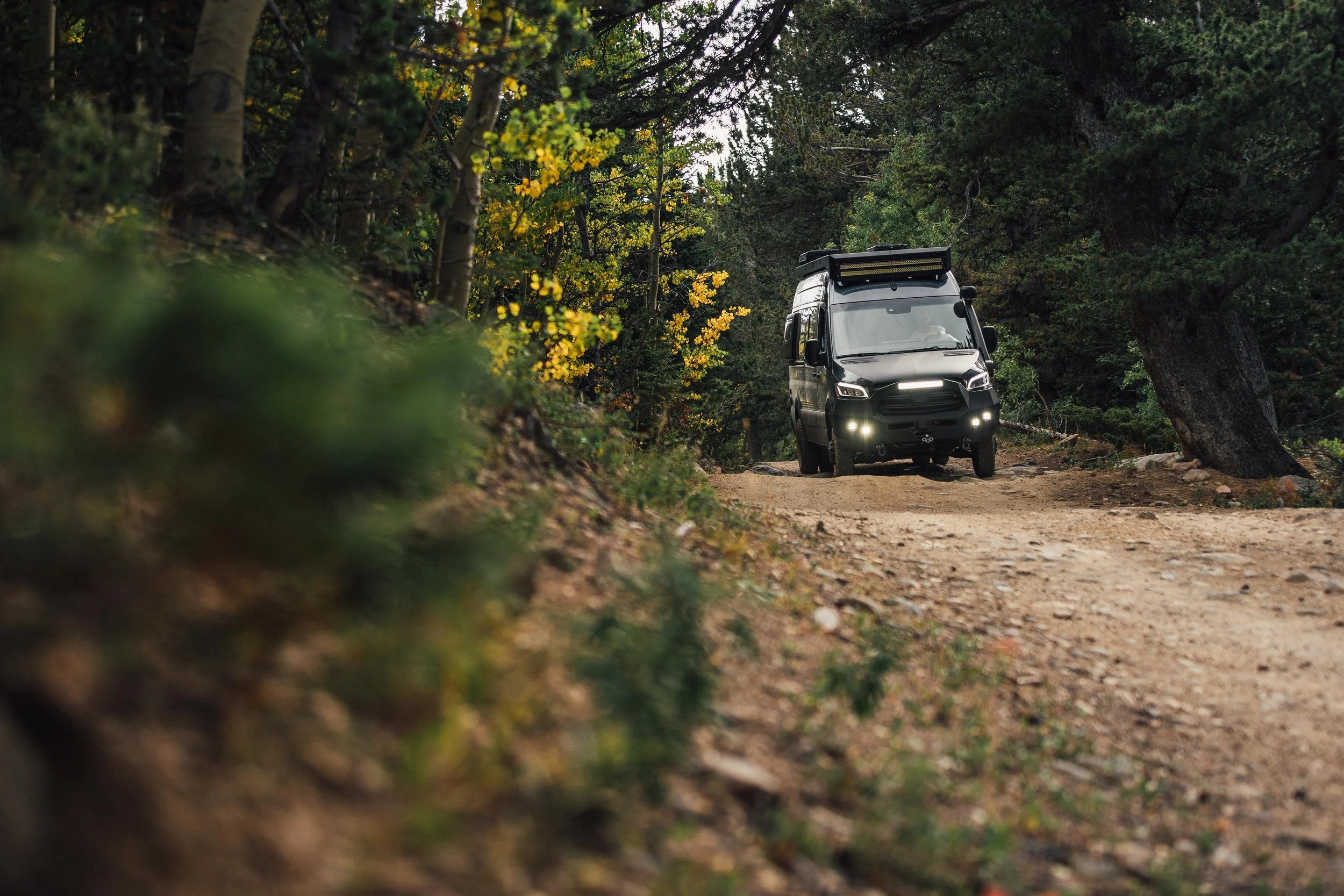
Every one of the RV sites above rewards travelers who are ready to roam, explore, and embrace long days on the road. That’s exactly why having a van built for adventure makes all the difference.
At Earth Ship Vans, our vans are designed for the wanderer in all of us and built for life on the move. Whether you’re targeting national parks, coastal campgrounds, or backcountry spots, the right build lets you get there with confidence and comfort.
Ready to take your Sprinter van camping to the next level?
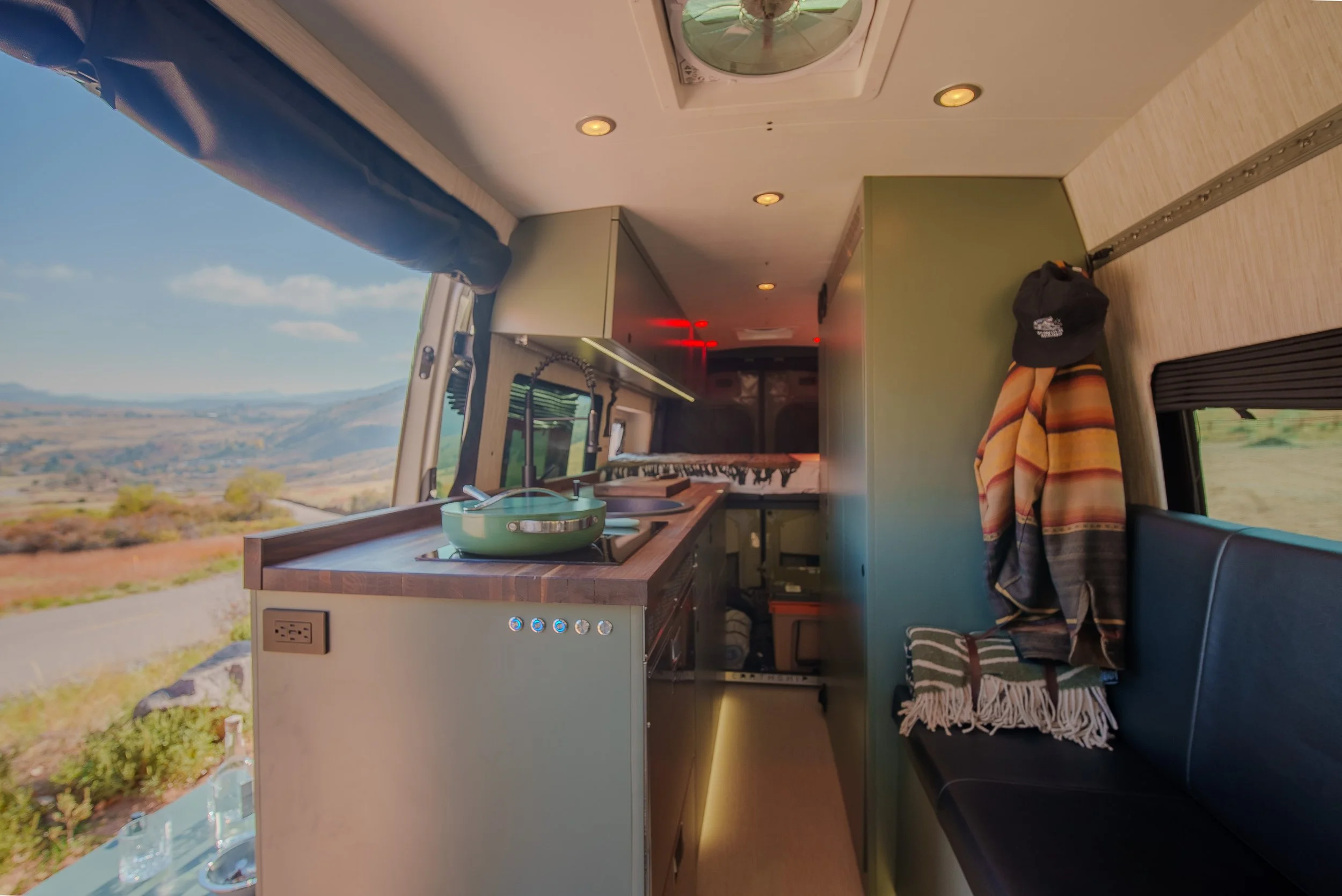
How Much Does Van Life Really Cost? A Complete Breakdown
Van life looks effortless online. Everyone’s posting their coffee cups with a sunrise backdrop and a perfectly parked Sprinter on an empty road with the doors flung open. But once you start digging into the details, the one question that always comes up the fastest is: How much does van life actually cost?
Short answer: it’s probably more than you expect. Long answer: it depends on how you travel, how comfortable you want to be, and how well your van is built.
While van life can be cheaper than traditional living in some ways, it can also get expensive fast without realistic expectations.
Ready to see some real-world numbers? Let’s break it down.
Upfront Costs: The Van & The Build
The Van Itself
Your van is both your vehicle and your home, so this is the biggest upfront investment.
Used cargo vans: $20,000–$40,000
Used Mercedes Sprinter vans: $35,000–$55,000
New Mercedes Sprinter vans: $55,000–$75,000+
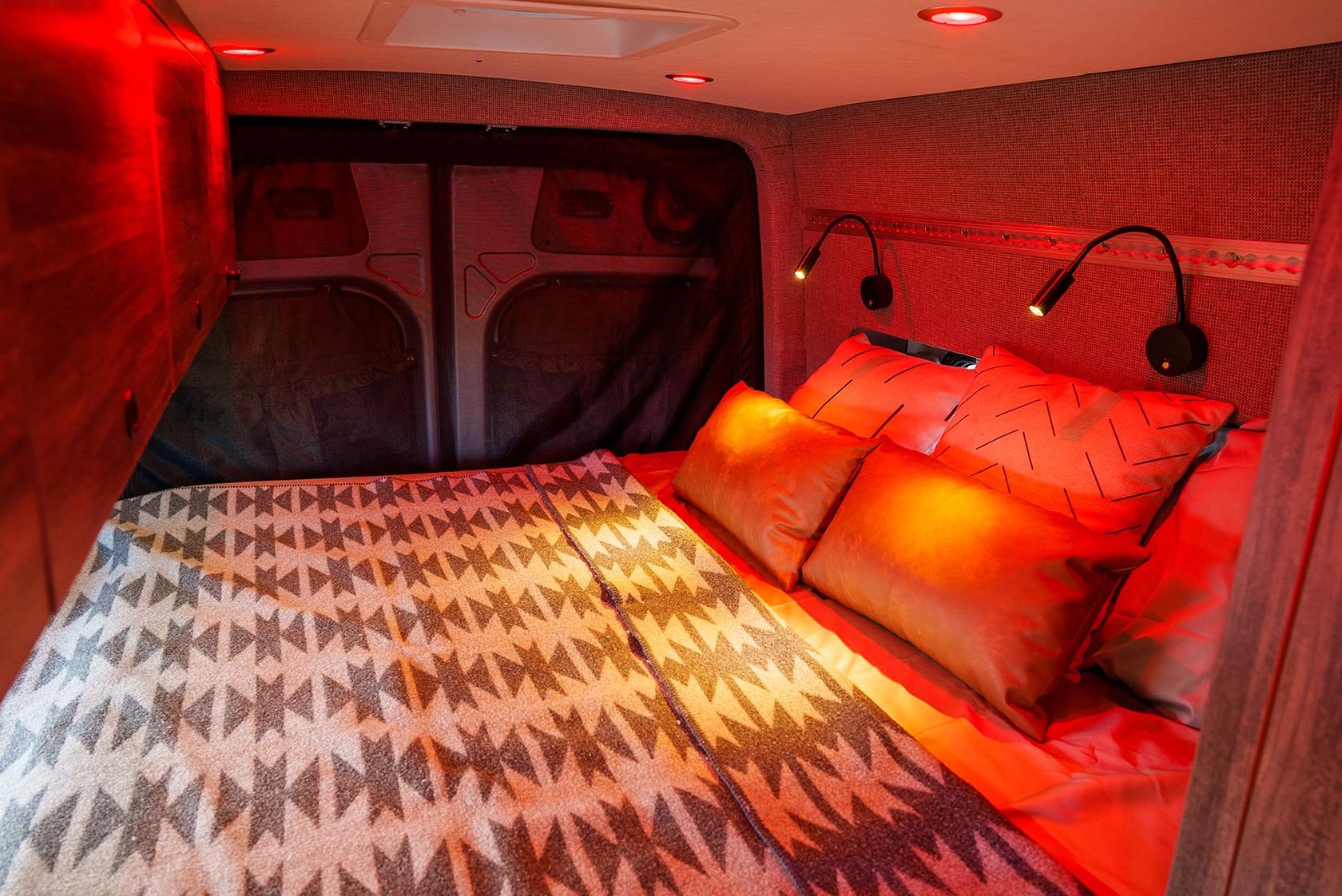
Sprinters cost more than many alternatives, but they’re popular for a reason. They offer interior standing height, solid drivetrains, modern safety features, and strong resale value—all important when you’re living out of it full-time or for long trips.
The Build
This is often where van life budgets begin to look very different from one another.
DIY builds: $8,000–$20,000
Professional conversions: $40,000–$100,000+
Some people take the DIY route and invest a lot of their own time along the way. For the right person, that can be a rewarding process, but it usually comes with a learning curve as well as plenty of trial and error.
Professional builds aren’t cheap, but they come with properly designed electrical systems, solar, insulation, plumbing, cabinetry, and layouts that actually hold up over time. Cutting corners here often leads to costly fixes later.
Fuel
Fuel costs are one of the biggest variables in van life.
Slower travel: $200–$400 per month
Frequent travel: $500–$1,000+ per month
How often you move has such a huge impact on your budget. Staying in one area for a while keeps fuel costs manageable, while covering long distances every week adds up quickly. Fully built vans are heavier, which means fuel efficiency matters, especially on extended trips or cross-country routes.
Camping & Overnight Parking
Very few people spend nothing on parking every month.
Free camping: $0
Campgrounds and RV parks: $300–$700 per month on average
Free camping on public land is a huge perk of van life, but most people don’t rely on it exclusively. Paid campgrounds, RV parks, and occasional overnight stays with hookups provide access to showers, laundry, water refills, and an easier reset. Mixing free and paid stays is often the most realistic and sustainable approach.
Food
Food costs tend to be higher than people expect.
Groceries: $300–$500 per month
Eating out and the occasional (or frequent…we won’t judge you) stop for coffee: $150–$400 per month
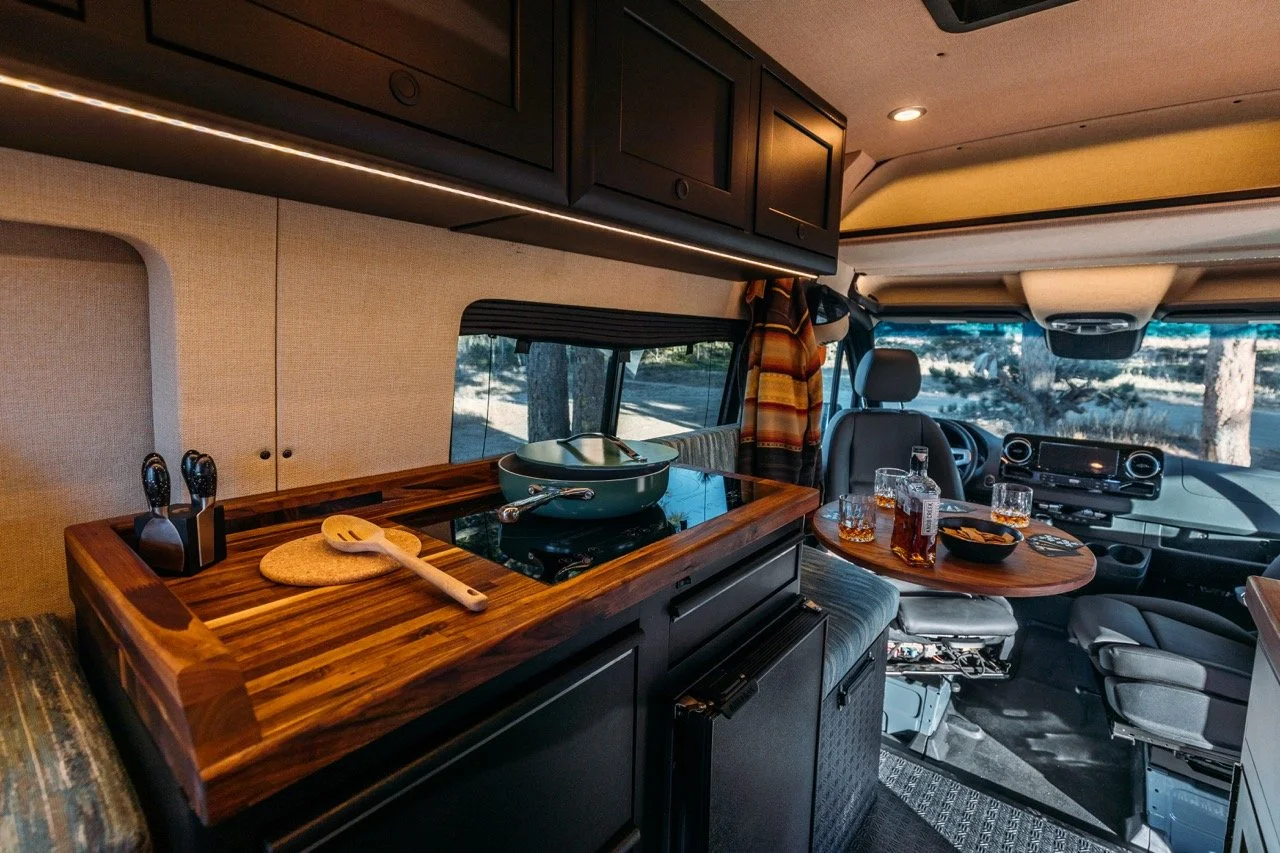
Cooking in your van saves money, but groceries still add up, especially when storage space is limited. On the road, food often becomes part of the experience—local restaurants, coffee shops, and spontaneous stops are hard to resist. Most van lifers find their food budget lands higher than it did when living in one place.
Insurance
Insurance is an ongoing cost that varies widely.
Van insurance: $100–$250 per month
Converted vans can sometimes be insured as RVs, depending on the build and provider. Coverage costs depend on the value of the van, where it’s registered, and how it’s insured. Either way, insurance is a non-negotiable part of full-time or extended van travel.
Maintenance & Repairs
Maintenance is inevitable when your home has wheels.
Routine maintenance: $100–$200 per month
Unexpected repairs: variable
Oil changes, tires, brakes, and general wear all come with the territory, especially if you’re logging serious miles. Even well-built vans need attention, and unexpected repairs can show up at inconvenient times. This is why having an emergency fund is one of the most important parts of a van life budget.
Connectivity & Power
Staying connected is part of modern van life.
Phone and hotspot plans: $100–$150 per month
Solar system (one-time investment): $5,000–$12,000
Reliable cell service is essential for navigation, work, and staying in touch. A solid solar setup is a bigger upfront investment, but it pays off long-term by reducing dependence on campgrounds, shore power, and generators. Well-designed solar systems support daily power needs like refrigeration, lighting, device charging, and sometimes air conditioning, while allowing you to stay off-grid longer. Over time, that flexibility translates to fewer paid campsites and more control over monthly expenses.
The Real Monthly Cost of Van Life
When everything is added together, van life usually costs more than the ultra-cheap numbers floating around online.
Slower-paced van life: $1,200–$1,800 per month
Comfortable full-time travel: $2,000–$2,800 per month
Fast travel with frequent paid stays: $3,000–$3,500+ per month
Van life isn’t automatically cheaper than renting, it’s just different. Instead of rent and utilities, you’re paying for mobility, maintenance, fuel, and flexibility. The biggest mistake people make is assuming van life will be dirt cheap without adjusting their travel habits or expectations.
Is Van Life Worth The Cost?
Van life isn’t about spending as little money as possible. It’s about choosing what matters. For many people, trading fixed expenses for freedom, flexibility, and experiences is well worth it. Going in with realistic expectations makes all the difference between feeling stressed and actually enjoying life on the road.
Get Yourself A Van Built For Real Life On The Road
At Earth Ship Vans, we build Sprinter vans designed to handle long miles, off-grid living, and everyday life easier without constant fixes or compromises. Every system, from solar to storage, is designed to make life on the road seamless and stress-free, so you can focus on exploring.
If you’re ready to take your van life dreams from idea to adventure, we’ve got you covered. Let’s get your Earth Ship on the road.
The Ins and Outs of a Mercedes Sprinter Van
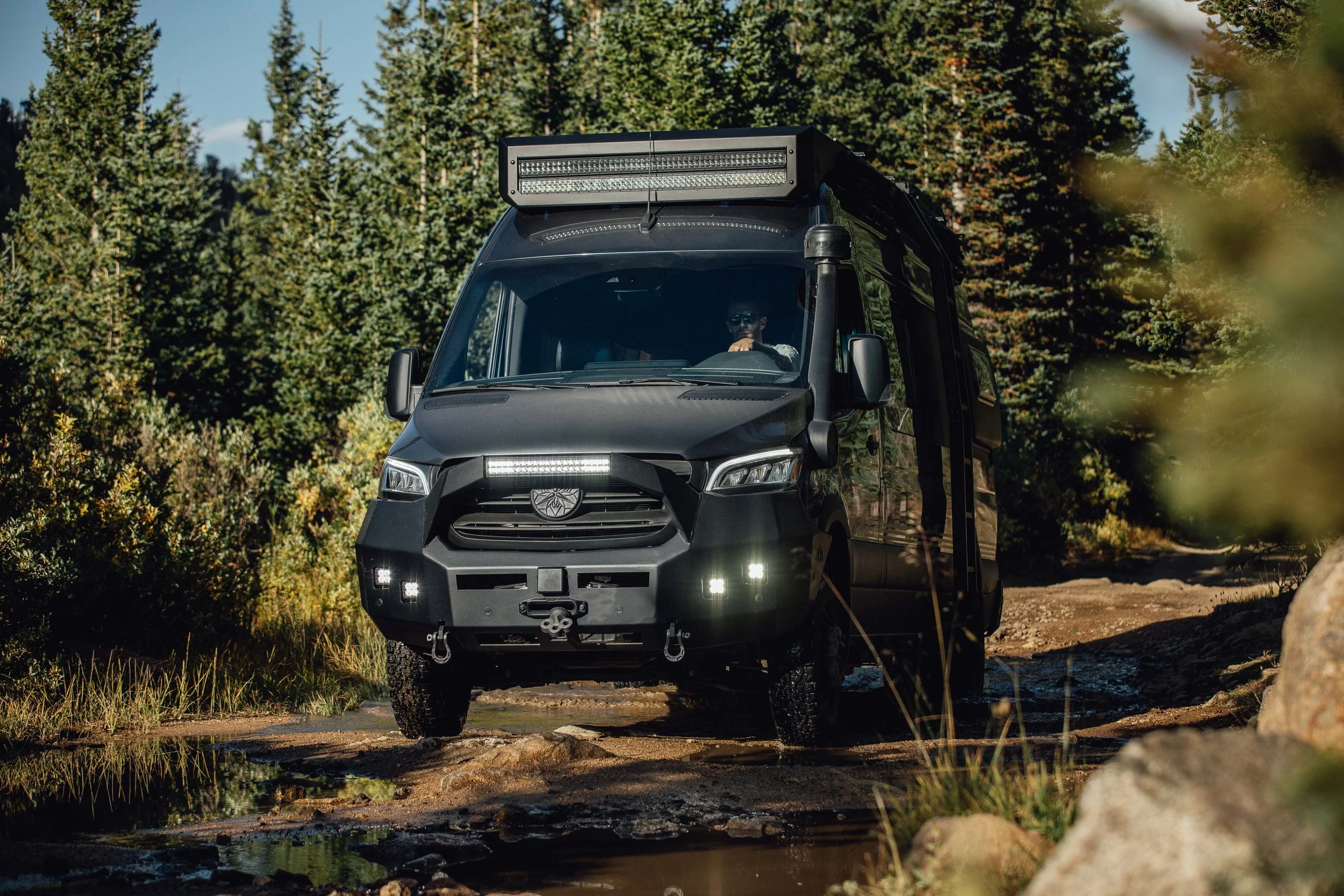
If you’ve spent any time dreaming about van life, road trips, or building a home on wheels that can actually handle the long haul, chances are the Mercedes Sprinter van has already caught your eye. There’s a reason these vans have become the gold standard for adventure builds, camper conversions, and full-time rigs. They’re spacious, capable, and built for people who don’t plan on staying put.
Before you commit though, it helps to understand what owning and building on a Sprinter really looks like. Let’s break it down.
How Much Are Mercedes Sprinter Vans?
Mercedes Sprinter vans aren’t the cheapest option out there, and they’re not trying to be. A brand-new Sprinter typically starts in the mid $50,000 range and can climb well into the $70,000s or more depending on the configuration. All-wheel drive, high-roof models, and extended lengths can all push the price higher. While a base model could definitely be used for camping or van life, most people add interior conversions like beds, kitchens, or storage to make their adventures easier, which increases the total cost of the van.
Used Sprinters can be a solid option, but the demand stays high (especially for low- mileage vans), so prices hold strong. While the upfront cost can feel like a lot, many people see Sprinters as a long-term investment. They tend to keep their value well and are built to handle serious miles, which matters when your van isn’t just transportation, but also your home.
How Tall Is a Mercedes Sprinter Van?
Interior height is one of the biggest reasons people choose a Sprinter, and for a good reason. High-roof models offer an interior standing height of 6’3”, which means most people can stand up fully without ducking or hunching. That single feature changes the entire van life experience.
Being able to stand comfortably makes everyday tasks like cooking, getting dressed, and just moving around feel normal instead of cramped. Standard-roof options exist, but for full-time living or extended trips, the high roof is usually the move.
How Long Is a Mercedes Sprinter Van?
Sprinters come in multiple wheelbase and length options, which gives you a lot of flexibility depending on how you plan to travel. Shorter models are easier to drive, park, and navigate through cities, while longer versions open the door to more elaborate layouts.
Interior cargo lengths range from roughly 10 feet in shorter vans to over 14 feet in extended models. The extra space can mean a fixed bed instead of a convertible one, more storage, or room for a larger kitchen setup. Choosing the right length is really about balancing livability with how nimble you want your rig to feel on the road. At Earth Ship Vans, we typically stick with the 14-foot extended models because the extra space allows for a larger kitchen and ample storage space without feeling cramped. The 14-foot extended models give you a comfortable home on wheels while still making sure the van is easy to drive and maneuver.
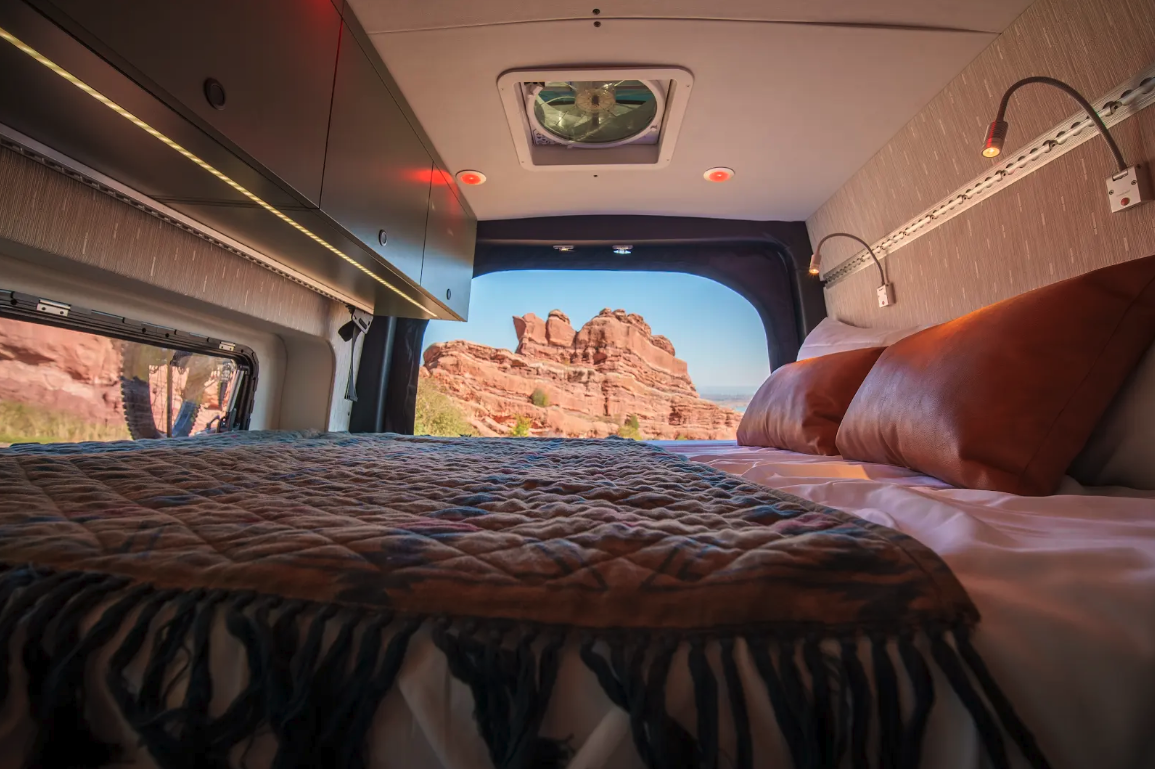
Are Mercedes Sprinter Vans Reliable?
This is the big question; the answer is yes, with proper care. Mercedes Sprinter vans are built tough, designed to handle long drives, heavy loads, and lots of miles. Many owners put hundreds of thousands of miles on their Sprinters with regular maintenance.
That said, maintenance matters. Sprinters require consistent servicing, and repairs can be more expensive than some domestic vans, especially if you’re far from a certified service center.
To provide you with extra peace of mind, Earth Ship Vans supports you with a warranty. Our extended chassis warranty for all of our models covers 5 years or 75,000 miles, and the upfit limited warranty protects your van’s interior for 1 year or 15,000 miles. We recommend staying on top of oil changes, fluids, and recommended service intervals to keep things running smoothly.
Why Sprinters Make Such Great Adventure Vans
Despite their size, Sprinters are surprisingly comfortable to drive. Newer models come equipped with modern safety features like adaptive cruise control, lane assist, and collision prevention systems, which makes long road days way easier.
From a build perspective, the strong fundamental framework and high payload capacity allow for fully built-out interiors without compromising performance. Full kitchens, solar systems, water storage, and custom cabinetry are all very doable, and the boxy interior shape makes efficient layouts easier to design.

Where Freedom Meets Function
At Earth Ship Vans, the Mercedes Sprinter is our favorite platform to build on. It gives us the freedom to create vans that are adventure-ready, comfortable, and built to last. Whether you’re planning weekend escapes or full-time life on the road, the Sprinter offers a solid foundation that can handle wherever you’re headed.
At the end of the day, a Mercedes Sprinter isn’t just a vehicle, it's a blank canvas. One built for freedom, flexibility, and chasing whatever’s calling you next.
Ready to build something that can take you there? Let’s get your Earth Ship on the road.
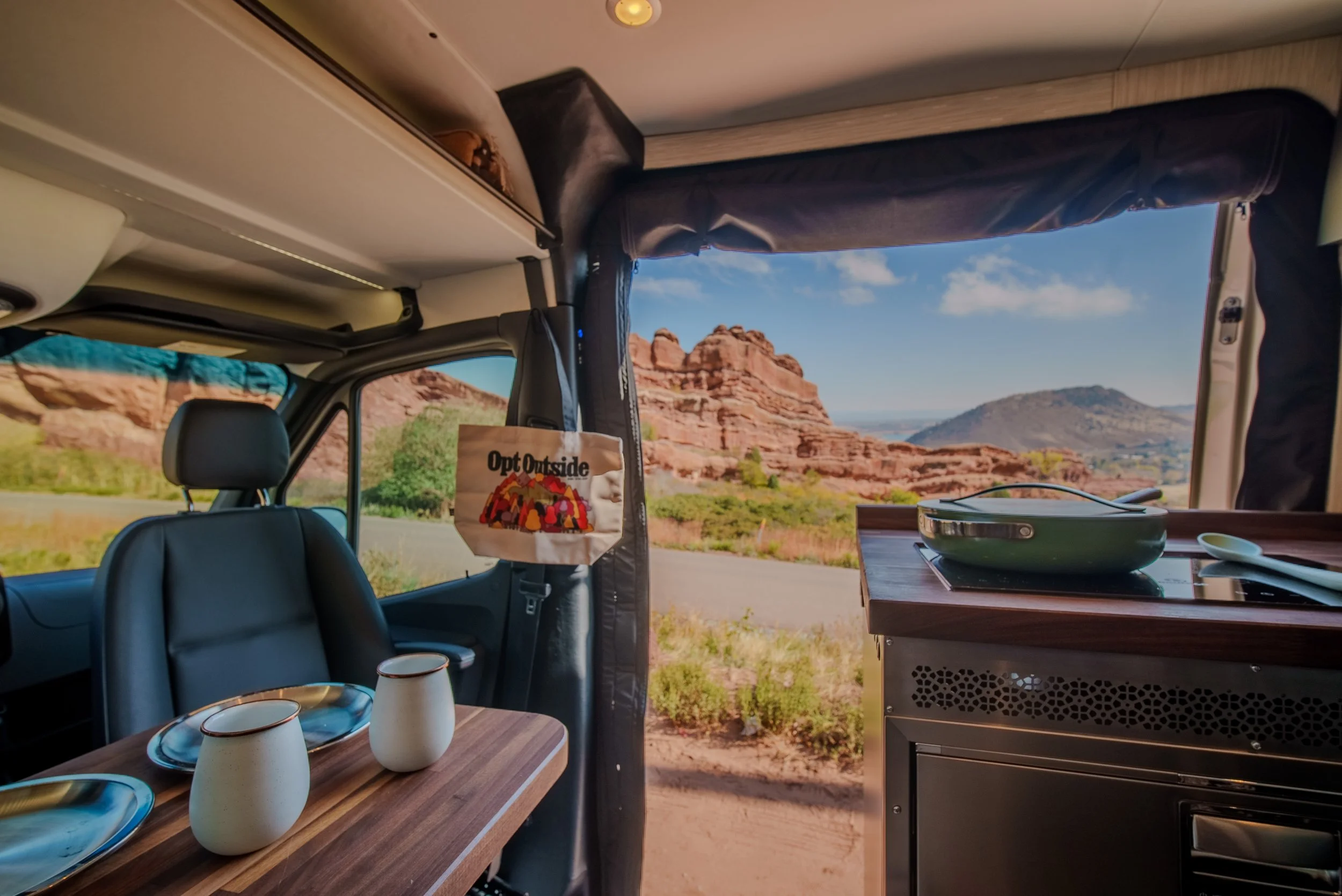
Best RV Campsites in Colorado
Colorado is one of those places that just gets van life. Big open skies, alpine lakes, desert canyons, mountain towns, and endless public land make it a dream destination for RV and sprinter van travelers. Whether you’re rolling through for a weekend or planning a full summer loop, Colorado has no shortage of incredible places to park, unplug, and soak it all in.
If you’re looking for the best RV campsites in Colorado, this list is for you. These places pair jaw-dropping scenery with solid amenities.
Let’s dive in.
Why Colorado Is a Campers’ Dream
Colorado is full of different landscapes to explore. You could ski snowy peaks, paddle a crystal-clear alpine lake, hike through towering forests, or fall asleep under a sky full of stars (or do all of that in the same day if you’re really ambitious). Here at the Centennial State, every turn offers something new to discover.
Many campgrounds here are RV & sprinter van-friendly, and if your rig is built for off-grid living (solar, water storage, good insulation), you’ll have even more freedom to explore lesser-known spots.
This state rewards anyone who’s ready to roam.
Cherry Creek State Park (Denver Area)

If you want nature without completely disappearing from civilization, Cherry Creek State Park is a solid choice. Just outside of Denver, this campground offers full hookups, paved sites, clean bathrooms, and easy access to the city.
You’ll still get wide-open views, walking trails, and a huge reservoir for paddleboarding or kayaking. It’s a great stop if you’re easing into your Colorado trip or need a reset before heading deeper into the mountains.
Campsites here are paid and the fees vary by site but typically run around $28 per night for basic sites and about $41 per night for full-hookup sites. You’ll also pay a daily vehicle entrance fee (about $10-$11) to get into the park. It’s a good idea to consider an annual state parks pass if you’ll be visiting multiple parks within the year.
Because of its proximity to Denver and year-round popularity, reservations are required and often need to be made weeks or months in advance, especially for summer weekends. If you’re flexible with weekdays or off-season dates, it’s usually easier to secure a spot.
Best for: Convenience, city access, and smooth RV setups.
Moraine Park (Rocky Mountain National Park)
This one’s a classic (and for good reason). Moraine Park sits inside Rocky Mountain National Park and delivers those postcard-worthy mountain views you (probably) came for.
While there are no hookups, the sites are spacious and well-maintained, making it perfect for self-sufficient vans. Wake up to elk wandering through the meadow, sip your coffee with snow-capped peaks in the distance, and hit nearby hiking trails straight from camp.
Campsites here do have a fee; typically around $35 per night for a standard non-electric site and about $55 per night for sites with electric hookups. Be aware that you’ll also need to pay the park's entrance fee when you arrive. Because this campground is inside a very popular national park, reservations are made through Recreation.gov and usually open up to six months in advance and fill up quickly for prime summer dates. Booking early is strongly recommended if you want to secure the dates you want.
Best for: Mountain lovers and off-grid rigs.
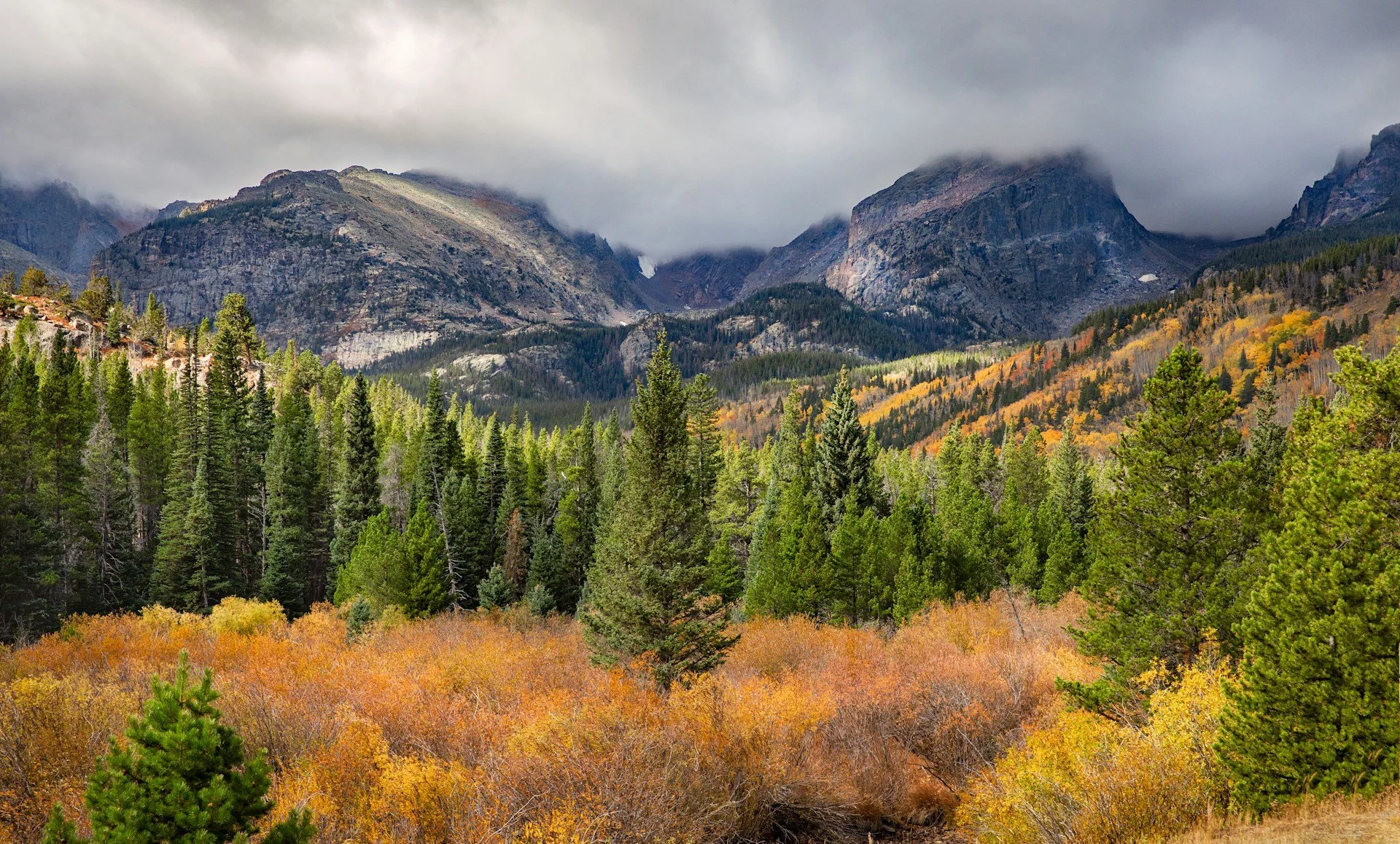
Ridgway State Park (Southwest Colorado)
Tucked between Ouray and Telluride, Ridgway State Park is a favorite spot for RV and sprinter van travelers who want stunning scenery and modern amenities. Many sites offer electric hookups, and the views of the San Juan Mountains are beautiful.
There’s fishing, paddleboarding, biking trails, and easy access to some of Colorado’s most iconic mountain towns. This is one of those campgrounds where you plan to stay for one night and then end up staying for three.
In terms of campsite fees, basic sites start around $28 per night, electric hookup sites around $36, and full-hookup sites roughly $41. Plus, you’ll need a daily vehicle park pass (around $10-$11) to enter the park each day. Because camping is by reservation only, spots can fill up quickly during the on-season (late spring through early fall). You can reserve campsites up to six months in advance through the Colorado Parks & Wildlife reservation system. Planning ahead makes it much easier to lock in a prime site with water, hookups, and those incredible mountain views.
Best for: Scenic comfort and longer stays.
Great Sand Dunes Oasis RV Park
Camping next to the tallest sand dunes in North America? Yep, that’s a thing (and it’s awesome).
Located just outside Great Sand Dunes National Park, this RV and sprinter van camping park offers full hookups, showers, laundry, and wide-open skies perfect for stargazing. Spend the day hiking the dunes, sandboarding, or cooling off in Medano Creek, then roll back to camp for a quiet desert night.
Sites here come with a cost. Full hookup RV sites typically run around $45-$50 per night for two people (with small additional fees per extra person). The park is open seasonally, generally from spring through fall. Since this is a popular base for Great Sand Dunes adventures, reservations are recommended and often fill up quickly in summer months, so it’s wise to book ahead rather than rely on walk-in availability.
Also keep in mind that Great Sand Dunes National Park itself charges a separate entrance fee to visit the dunes (typically around $25 per vehicle for a 7-day pass) which is not included in the campground rate.
Best for: Unique landscapes and full-service camping.

Rifle Falls State Park
If waterfalls are your thing, Rifle Falls State Park needs to be on your list. This smaller campground packs a big punch with triple waterfalls, lush greenery, and limestone caves nearby.
Sites are shaded and peaceful, making it a great stop if you want something quieter than the big-name national parks. It’s also conveniently located if you’re traveling along I-70.
Basic sites and those with electric hookups typically run around $28-$36 per night depending on the season (winter rates are slightly lower), and you’ll also need a daily vehicle park pass (about $10) to enter the park each day once you stay. Because camping at Rifle Falls is reservation only, it’s wise to book ahead. You can reserve sites up to six months in advance through the Colorado Parks & Wildlife reservation system, and spots often fill up quickly on warm weekends and holidays.
Best for: Relaxed vibes and natural beauty.
Blue Mesa Reservoir (Curecanti National Recreation Area)
For wide-open water views and serious space, Blue Mesa Reservoir delivers. As Colorado’s largest body of water, this area offers several campgrounds with vehicle access and plenty of room to breathe.
Fishing, kayaking, and sunset views over the water are daily activities here. It’s a fantastic place to slow down and actually stay put for a bit.
All developed campsites around the reservoir charge a fee. Standard non-electric sites are typically around $16 per night, while sites with electric hookups run around $22 per night/ Reservations are highly recommended, especially during the busy summer months and holiday weekends, and can be made through Recreation.gov for campgrounds such as Elk Creek, Lake Fork, and Stevens Creek. While there may be some dispersed camping options on nearby public lands, those spots offer no facilities or hookups, so booking a developed site is the easiest way to guarantee a comfortable stay while traveling in your sprinter van.
Best for: Peace, water activities, and big-sky camping.
Tips for RV & Sprinter Van Camping in Colorado
A few things to keep in mind before your roll in:
Attitude matters: Nights get cold, even in the summer. Good insulation, heating, and warm clothing layers go a long way.
Book early: Popular campgrounds (especially in the National Parks) fill up fast, especially from June to September.
Be flexible: Weather changes quickly in the mountains. Always have a backup plan.
Built for Colorado Adventures
Colorado camping is best enjoyed when your rig is ready for anything—long stretches, off-grid adventures, sudden weather changes, and winding mountain roads.
At Earth Ship Vans, we build adventure-ready vans designed for places exactly like this. Solar power, efficient layouts, smart storage, and off-grid systems mean you can park in incredible locations without sacrificing comfort.
Ready to build something that can take you there? Let’s get your Earth Ship on the road.
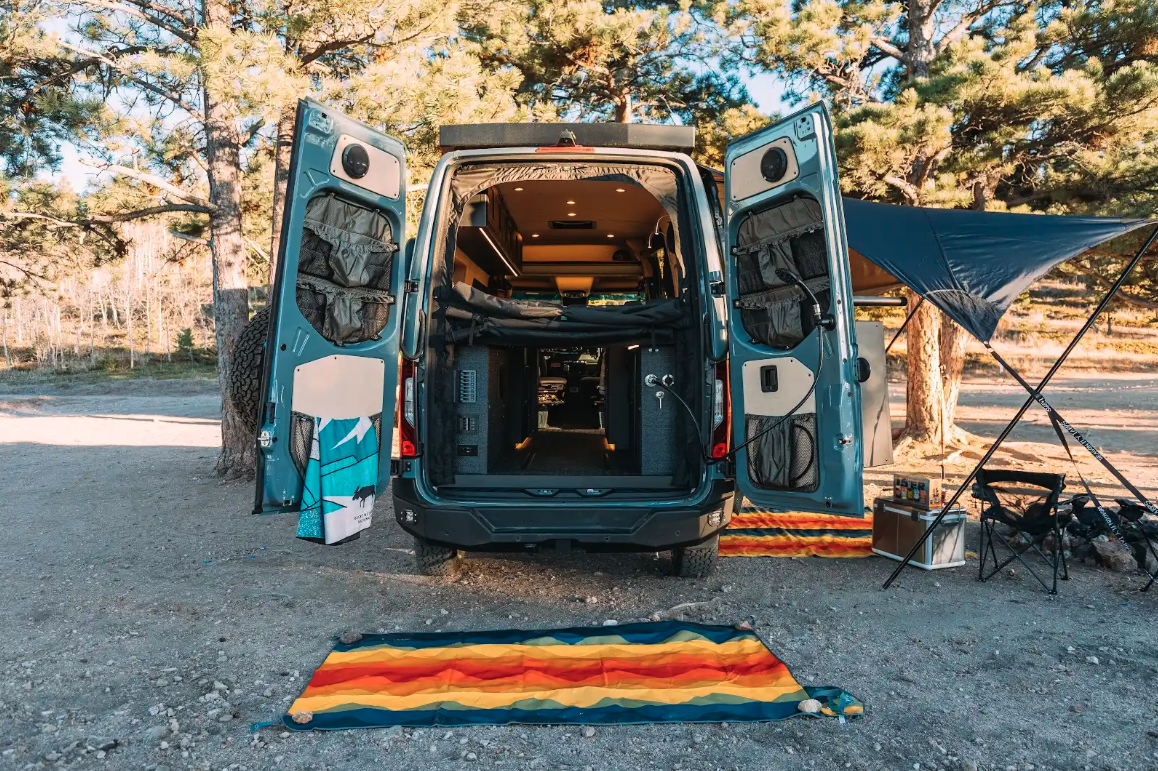
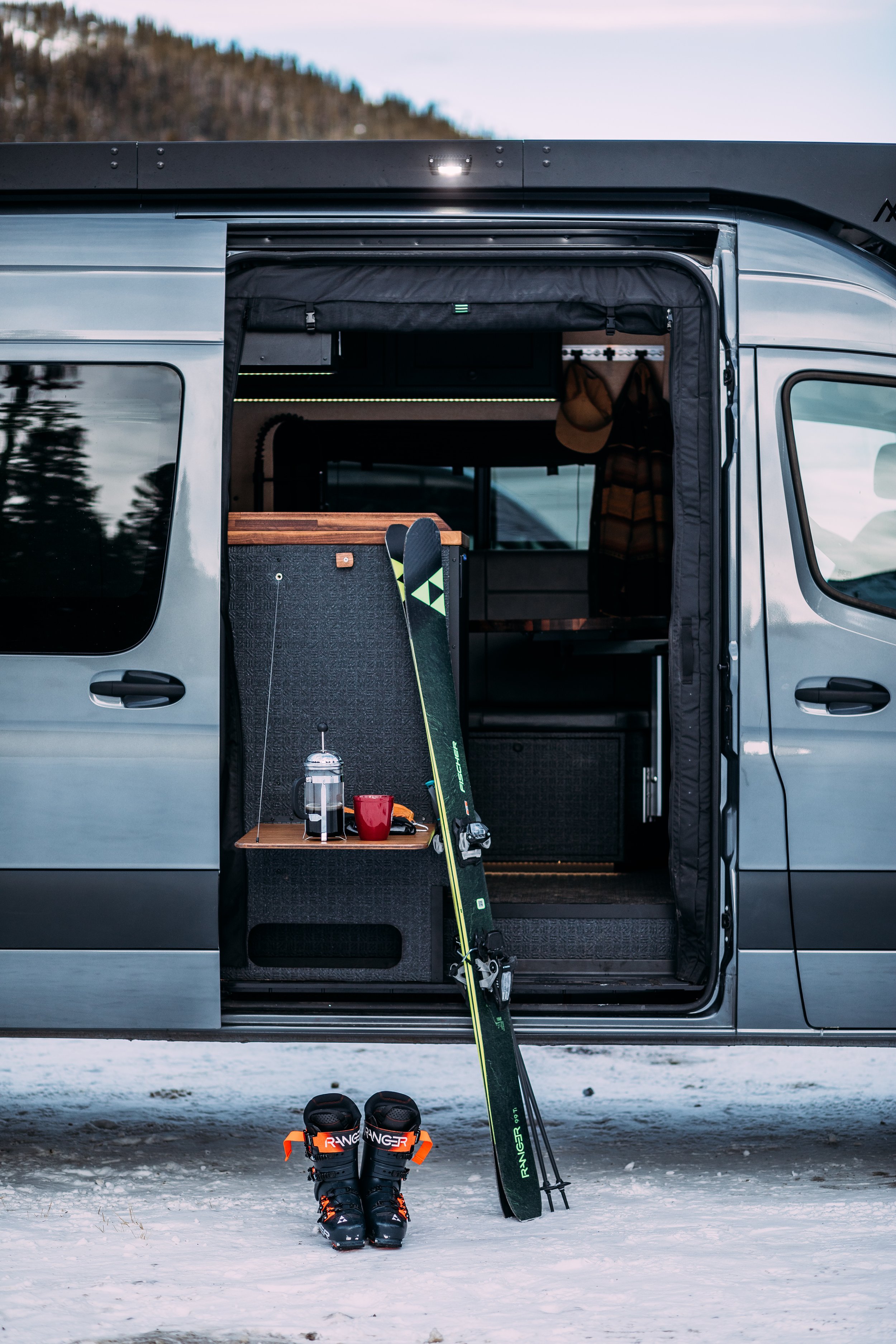
Van Life Essentials: What You Actually Need on the Road
So, you’re finally doing it; hitting the road, living out of your van, chasing sunsets, and waking up in new places every day. Sounds pretty epic, right? It is. But before you roll out, there’s one big question every van lifer has to face: what do you actually need to live comfortably on the road?
Let’s talk about van life essentials: the gear, gadgets, and simple must-haves that make van living easier, comfier, and way more enjoyable.
The Basics: Comfort Is Key
Here’s the truth: van life looks super romantic online, but comfort is what keeps it fun in real life. You’ll be surprised how much a few small things can make or break your day-to-day routine.
Start with your bed setup. Whether you’re rocking a fancy custom build or a DIY mattress situation, make sure it’s something you actually want to sleep on. You’ll be spending a third of your time there so it’s worth the upgrade. Add some cozy bedding, soft sheets, and throw a good blanket or two on there.
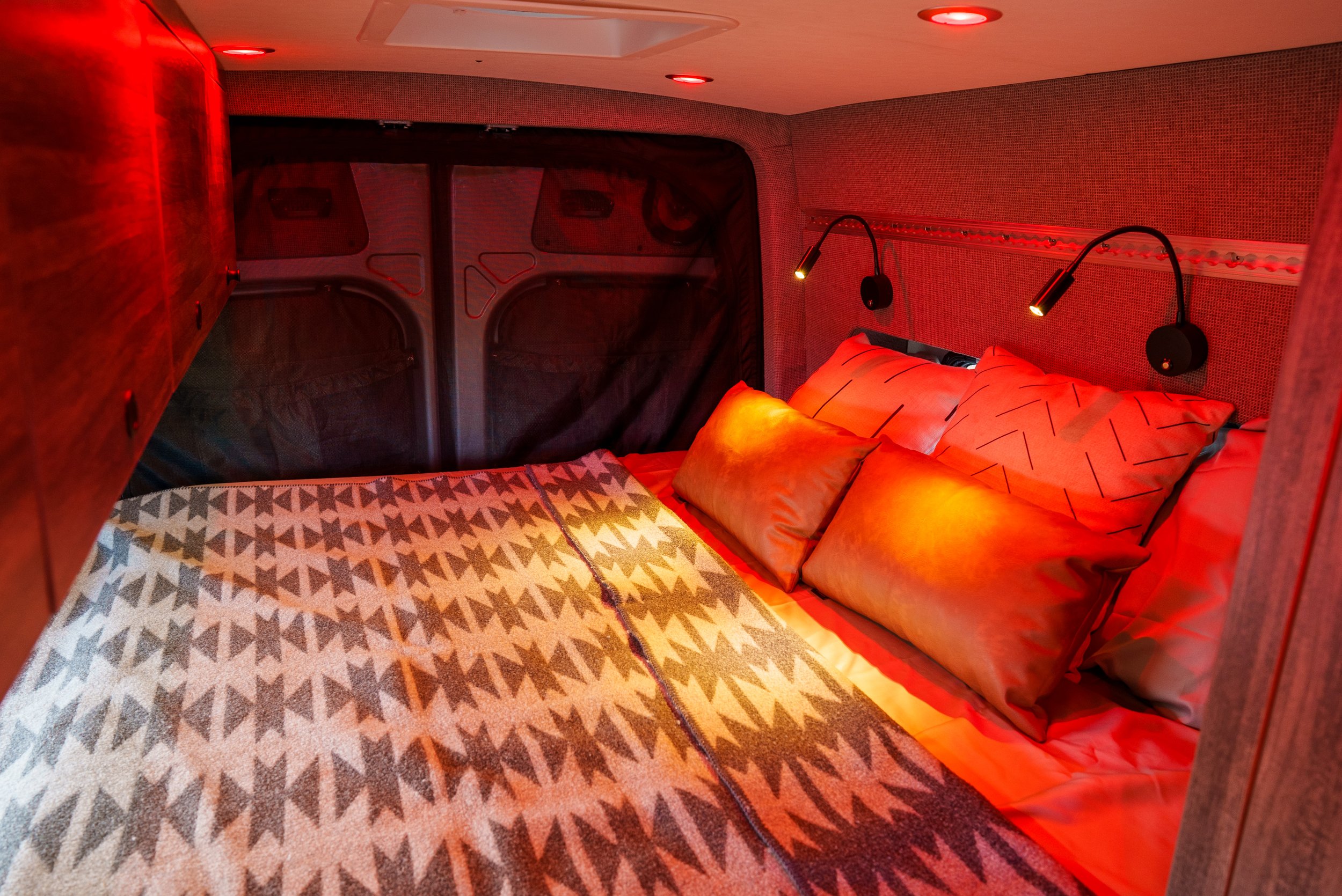
Temperature control is also important. It might sound boring, but insulation, window covers, and a solid fan can completely change your van life experience. You’ll thank yourself when you’re parked in the desert or trying to stay warm on a chilly mountain night.
Also don’t forget the lighting. Good lighting makes your van feel like a tiny home instead of a dark cave. LED strips or battery-powered lamps can go a long way (bonus points if they’re dimmable and moody).
Staying Clean (and Sane)
Let’s be real: showers aren’t always part of the daily routine out there. That’s why van lifers get creative.
If your van doesn’t have a built-in shower, grab a portable shower setup; even something as simple as a solar shower bag or a pump sprayer. Combine that with biodegradable soap, and you’ve got a clean, easy way to rinse off after a long hike.
For day-to-day hygiene, baby wipes, dry shampoo, and microfiber towels will be your best friends.
And don’t skip the laundry plan! A collapsible laundry bag and a stash of quarters will save your sanity on long trips.
The Power Situation
If you’re working remotely, running a fridge, or just want to charge your phone without worry, you’ll need a power setup that works for your lifestyle.
Solar panels are the go-to for most van lifers. They’re quiet, renewable, and perfect for off-grid adventures. Pair them with a battery bank and an inverter, and you’ll be good to go.
Kitchen Must Haves
Cooking in a van is one of those things that sounds complicated but really isn’t once you have the right gear. A two-burner stove, reliable cooler or fridge, and basic cookware (pots, pan, spatula, knife) will cover most meals.
Keep your setup simple; one good pan beats five cheap ones rattling around. And if you’re short on space, look for nesting cookware or collapsible dishes.
For food storage, airtight bins and stackable containers are gold. They keep things organized and critter-free. And remember: a small trash setup and compost bin will make cleanup so much easier (and greener).
Organization Essentials
Living in a small space means staying organized is non-negotiable. Every item should reside in its own place that keeps it from sliding around while you drive.
Bins, baskets, and drawer systems are important. Labeling helps, too, especially when you’ve got your life packed into 80 square feet.
Oh, and hooks. You can never have enough hooks.
Stay Connected (When You Want To)
Whether you’re working remotely or just want to stream a movie in the middle of nowhere, staying connected matters. A mobile hotshop, cell booster, or Starlink setup can give you reliable internet almost anywhere.
That said, don’t forget why you hit the road in the first place. It’s okay to unplug sometimes. Some of the best van life moments happen when your phone’s on airplane mode and the only connection you have is the view outside your window.
A Few Overlooked Van Life Essentials
Here’s a few underrated things you’ll wish you packed sooner:
A headlamp (for those midnight trips outside)
A first aid kit
Leveling blocks (no one likes sleeping on a slant)
A multi-tool or Swiss Army knife
A portable toilet or similar emergency setup (trust us, it’ll come in handy eventually)
Your Van Life Adventure Starts Here
At the end of the day, van life isn’t about having all the fanciest gear– it’s about freedom, simplicity, and adventure. The “essentials” look a little different for everyone. Some people love a minimalist setup, while others go for full luxury.
The key is to figure out what you need to feel comfortable and capable on the road. Start simple, adjust as you go, and don’t stress about having it all perfect from day one.
Once you’ve got the essentials down, there’s only one thing left to do: turn the key and go.
Browse our wide variety of sprinter vans and learn about why we’re passionate about helping you create unforgettable moments on the road.
Built to Carry the Load
These vans are commercial-grade, which means they’re built to carry heavy stuff. That’s perfect for custom builds, since you can add insulation, storage systems, water tanks, and batteries without worrying about overloading the van.
Super Versatile
Sprinters can be set up for just about anything — weekend warrior rigs, full-time homes, or even adventure vans that can handle serious off-road conditions. There are cargo versions (empty shells, great for custom builds), crew versions (with extra seating), and passenger versions with full interiors. No matter what kind of adventure you’re after, there’s a Sprinter setup that fits.
Modern Tech and Comfort
Despite their rugged build, Sprinters are surprisingly comfortable to drive. Modern models have features like lane-assist, adaptive cruise control, and touchscreen displays; which makes those long road trips a whole lot easier.
Why We Love Building on Sprinter Vans
At Earth Ship Vans, Sprinters are kind of our bread and butter. They give us the freedom to get creative — building luxury, off-grid, or adventure ready rigs that hold up to whatever you throw at them.
Because the chassis is so strong, we can add things like full kitchen setups, pop-top roofs, solar panel systems, and custom cabinetry without compromising how the van drives or handles. They’re also reliable, easy to service, and just all-around great foundations for a build that’s meant to last.
Basically, Sprinter vans let us focus on what matters most: crafting vans that help you explore more.
Things to Think About Before You Buy One
If you’re thinking about getting a Sprinter van for your own build, here are a few things to consider first:
Height & size: Do you want to be able to stand inside? Or are you okay with a lower roof for easier parking?
How you’ll use it: Are you planning weekend trips or full-time van life? Your layout and systems will depend on how long you’ll be off-grid.
Budget for maintenance: Sprinters are high-quality, but they can cost a bit more to maintain the smaller vans. Totally worth it — just good to know what’s going on.
Payload: Every build adds weight. Make sure your set up stays within the vans limits.
Ready to Hit the Road?
The Sprinter van is the ultimate blank canvas for adventure. Strong, spacious, and totally customizable, it’s everything you want if you’re ready to live life on your own terms and see the world.
At Earth Ship Vans, we love taking these vans and turning them into something completely one-of-a-kind. Whether you’re dreaming of a weekend escape pod or a full-time rolling home, a Sprinter van is the perfect place to start.
Get in touch with us and let’s get your Earth Ship on the road.
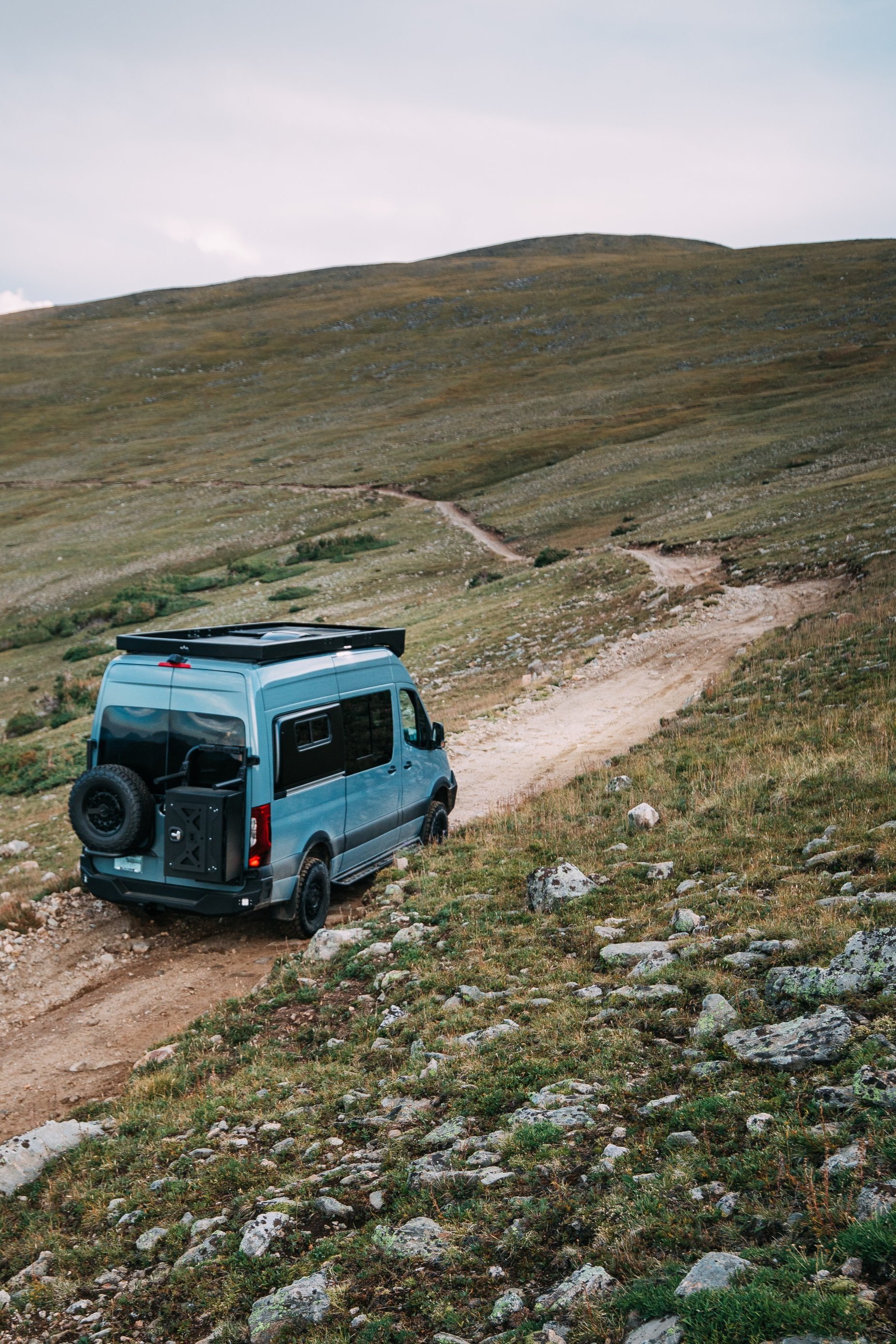
What Is A Sprinter Van?
If you’ve ever fallen down the #VanLife rabbit hole on Instagram, chances are you’ve seen a Sprinter van (or a few hundred). They’re the tall, sleek rigs built for adventure — the kind that can take you from the mountains to the beach without skipping a beat. But what exactly is a Sprinter van, and why do so many van lifers, travelers, and builders swear by them?
Let’s break it down.
What Makes a Sprinter Van, a Sprinter Van
At its core, a Sprinter van is a big, boxy, full-sized van that’s perfect for hauling gear… or turning into a home on wheels. The term technically comes from the Mercedes-Benz Sprinter, which kind of set the standard for this whole category. Over the years, “Sprinter van” has become a catch-all term for similar large vans that are built tough and ready for any adventure.
Compared to smaller vans, Sprinters have way more interior room and higher roofs (many are tall enough to stand in). They’re also built on strong frames that can handle serious payload, meaning when you start adding solar panels, water tanks, and all of your off-grid gear, you’re not maxing out the suspension.
In short: Sprinter vans are big, capable, and endlessly customizable, which makes them the go-to for van builds like ours at Earth Ship Vans.
Why Sprinter Vans Are So Popular
There are a ton of reasons why these vans have become the gold standard for van life and adventure builds, but here are the big ones:
Room to Move (and Build)
Sprinter vans come in different lengths and roof heights, but even the smallest models give you enough space to design a full interior: bed kitchenette, cabinets, the works. With the high-roof option, you can actually stand up and move around inside, which makes a huge difference when you’re living in your rig full-time.
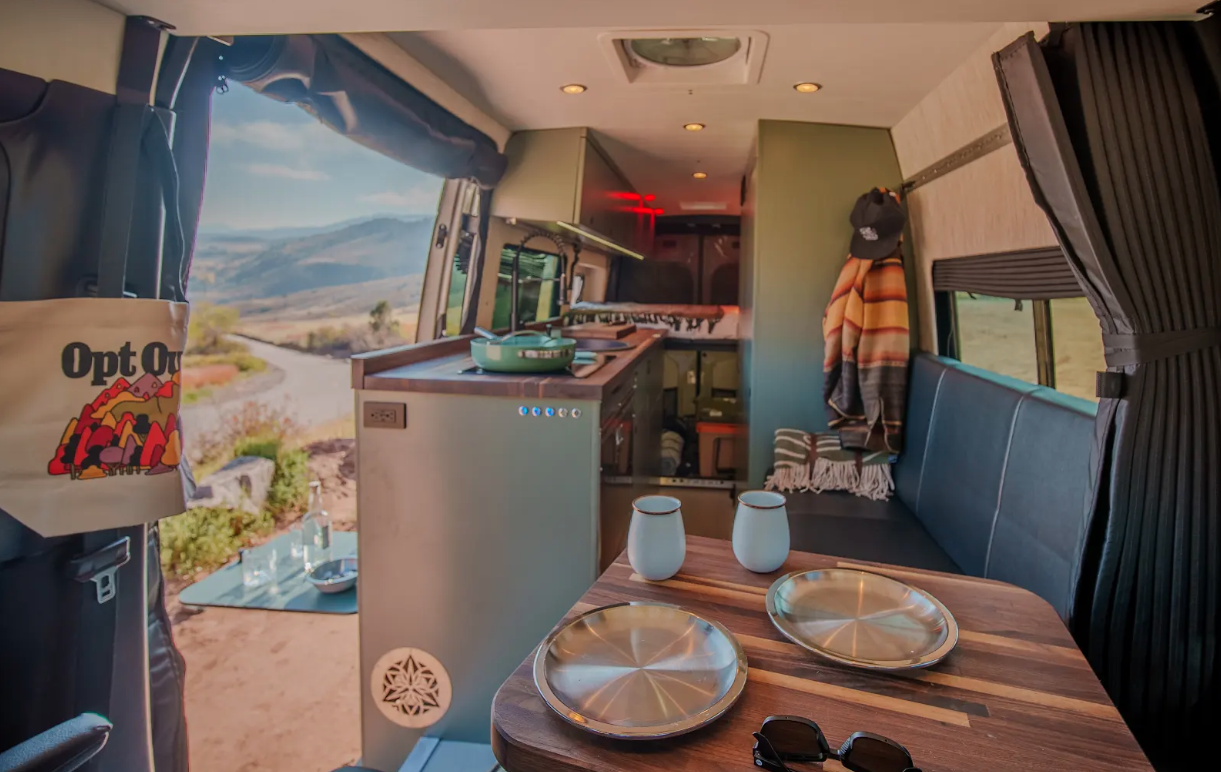
Built to Carry the Load
These vans are commercial-grade, which means they’re built to carry heavy stuff. That’s perfect for custom builds, since you can add insulation, storage systems, water tanks, and batteries without worrying about overloading the van.
Super Versatile
Sprinters can be set up for just about anything — weekend warrior rigs, full-time homes, or even adventure vans that can handle serious off-road conditions. There are cargo versions (empty shells, great for custom builds), crew versions (with extra seating), and passenger versions with full interiors. No matter what kind of adventure you’re after, there’s a Sprinter setup that fits.
Modern Tech and Comfort
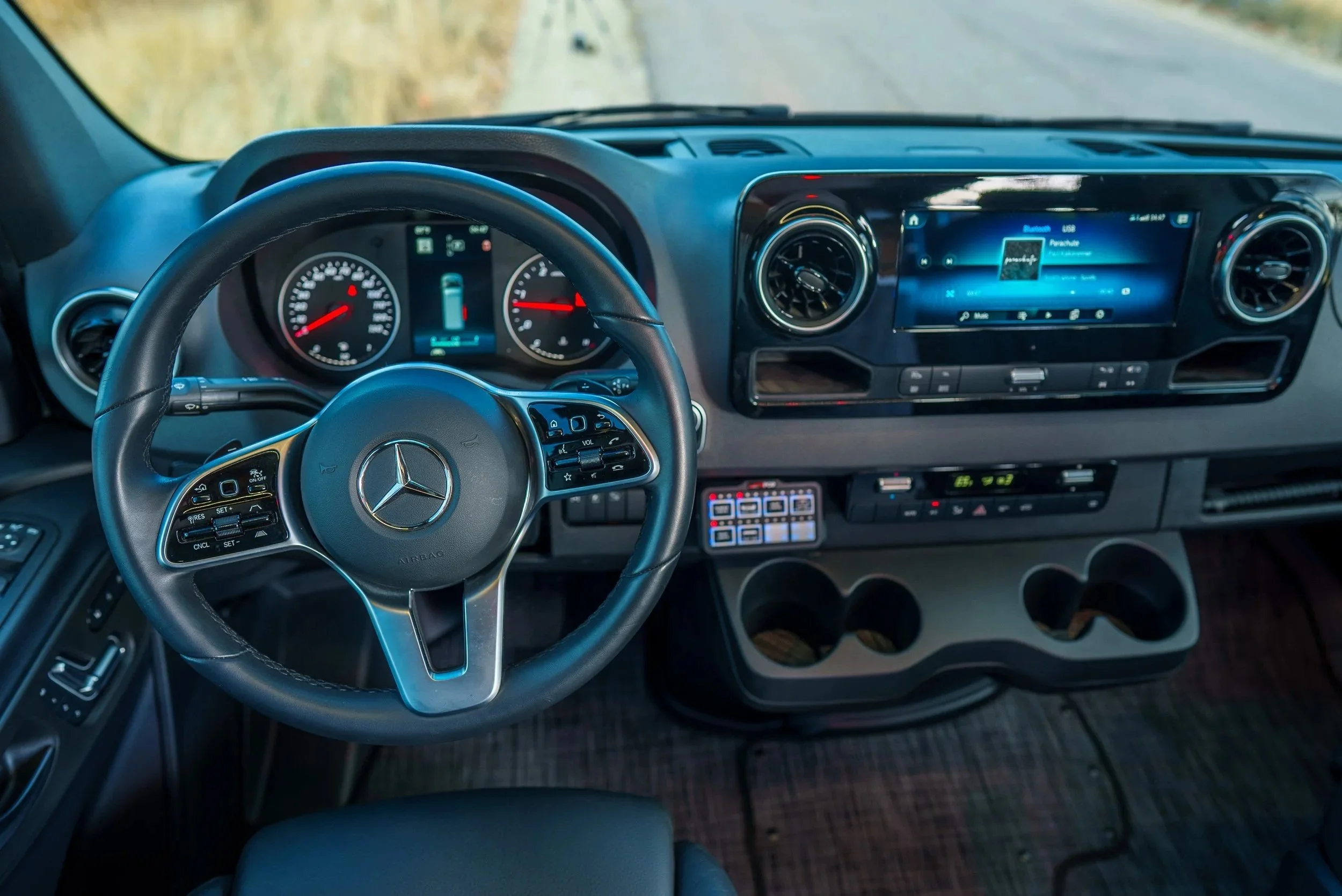
Despite their rugged build, Sprinters are surprisingly comfortable to drive. Modern models have features like lane-assist, adaptive cruise control, and touchscreen displays; which makes those long road trips a whole lot easier.
Why We Love Building on Sprinter Vans
At Earth Ship Vans, Sprinters are kind of our bread and butter. They give us the freedom to get creative — building luxury, off-grid, or adventure ready rigs that hold up to whatever you throw at them.
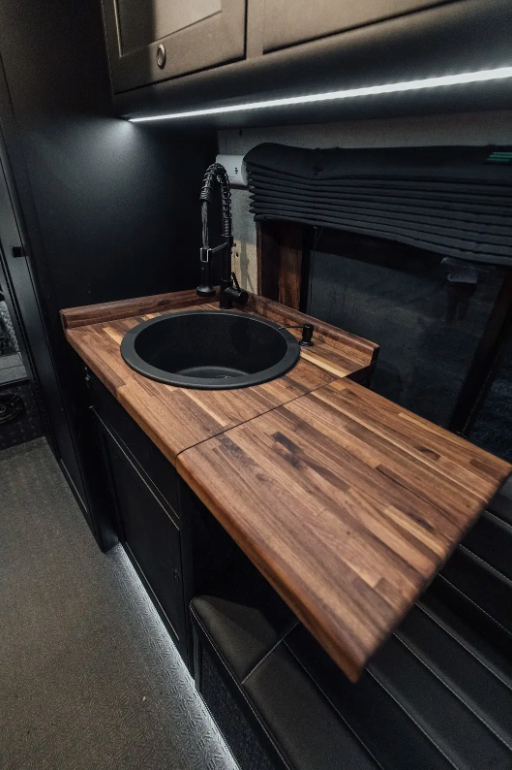
Because the chassis is so strong, we can add things like full kitchen setups, pop-top roofs, solar panel systems, and custom cabinetry without compromising how the van drives or handles. They’re also reliable, easy to service, and just all-around great foundations for a build that’s meant to last.
Basically, Sprinter vans let us focus on what matters most: crafting vans that help you explore more.
Things to Think About Before You Buy One
If you’re thinking about getting a Sprinter van for your own build, here are a few things to consider first:
Height & size: Do you want to be able to stand inside? Or are you okay with a lower roof for easier parking?
How you’ll use it: Are you planning weekend trips or full-time van life? Your layout and systems will depend on how long you’ll be off-grid.
Budget for maintenance: Sprinters are high-quality, but they can cost a bit more to maintain the smaller vans. Totally worth it — just good to know what’s going on.
Payload: Every build adds weight. Make sure your set up stays within the vans limits.
Ready to Hit the Road?
The Sprinter van is the ultimate blank canvas for adventure. Strong, spacious, and totally customizable, it’s everything you want if you’re ready to live life on your own terms and see the world.
At Earth Ship Vans, we love taking these vans and turning them into something completely one-of-a-kind. Whether you’re dreaming of a weekend escape pod or a full-time rolling home, a Sprinter van is the perfect place to start.
Get in touch with us and let’s get your Earth Ship on the road.
What Does Van Life Explorers Need to Know Before Hitting the Road?
Embarking on a van life journey is an exciting adventure, filled with possibilities and freedom. However, before you hit the road, there are essential aspects you need to consider to ensure a smooth and enjoyable experience. Let's dive into the key elements every van life explorer should know.

Plan Your Route
Planning your route is crucial to ensure a safe and enjoyable journey. Consider weather conditions, road accessibility, and points of interest along the way.
Begin your route planning by identifying must-see destinations. Creating a list of places that ignite your curiosity can greatly guide your travel plans. Tools like Google Maps and apps specialized in travel, such as Roadtrippers, can assist with visualizing your journey and marking notable locations. Consider opting for scenic routes over highways, as they often yield breathtaking views and memorable pit-stops.
Weather plays a critical role in determining your route; hence, its variability should never be underestimated. Always keep an eye on forecasts to dodge adverse conditions. For instance, crossing mountainous terrains demands scrutiny of elevation and season. Snow-capped routes in winter might be stunning but can pose significant travel risks. Liaise with local weather stations for real-time updates or check resources like the National Weather Service.
Budgeting for Van Life
Understanding your financial needs and setting a realistic budget plays a vital role in van life. Factor in fuel, food, accommodation, and unexpected expenses.
Developing a wise financial strategy begins with penning down your primary expenses. While fuel and food top the list, it's essential to consider overnight parking fees or campsite charges. Look for free or discounted parking spots using platforms such as FreeRoam or iOverlander, which are treasures for finding wallet-friendly sites that offer safety and convenience.
Incorporate a segment in your budget for unexpected expenses like van repairs or medical emergencies. Despite diligently maintaining your van, unforeseen situations can arise. Always The Adventure shares insightful stories about managing money emergencies while living on the road.
Remember, a frugal lifestyle doesn't mean an unfulfilling one. It's about spending wisely on experiences that matter most to you. Enlist as a member of budget-friendly travel communities such as Hostelling International or Couchsurfing, or tap into local farm stays which offer a chance to socialize while sticking to your budget.
Vehicle Maintenance Tips
Keeping your van in top condition is essential for a safe journey. Regular maintenance checks and having a basic toolkit can prevent breakdowns and costly repairs.
Before setting off, conduct thorough checks of the vehicle’s engine, brakes, tires, and fluid levels. These are the lifelines of your journey. Engage with experts or utilize resources like YouTube tutorials for basic vehicular maintenance. Armed with elementary skills in changing oil or fixing a flat can significantly minimize downtime during travel.
Invest in high-quality spare parts and fluids, such as engine oil, brake fluid, and coolants, stashing them securely within your van. Modern components, like LED lights and lightweight but durable materials, can enhance your van’s efficiency and longevity.
Consider subscribing to breakdown coverage services like AAA, which offer comprehensive roadside assistance across many regions. It’s a dependable safeguard that provides peace of mind on long travels.
Essential Items for Van Life
Equip your van with necessary items like a comfortable sleeping area, cooking supplies, and a reliable power source for an organized and enjoyable experience.
Your van is your home on wheels, and an ergonomic layout is pivotal. Designing Your Comfort can begin with multi-functional furniture that adapts to various needs. Consider foldable beds, retractable dining tables, and intuitive storage solutions that maximize space efficiency.
Bringing multifunctional cooking equipment is key to catering for diverse culinary cravings. Opt for a portable stove and lightweight cookware to enable a seamless kitchen experience on-the-go. Energy-efficient options like solar panels or portable power stations can provide sustainable and reliable access to power.
While driving through shoeless trails, hiking gear like supportive boots and lightweight backpacks should always accompany your travels. They prepare you for spontaneous nature exploration and allow for deeper immersion in wild surroundings.
Finding and Navigating Van Life Community
Connecting with the van life community can enhance your journey. Join forums, social media groups, and meet-ups to share experiences and tips.
Diving into the Van Life Community promotes exchange and inspiration. Social platforms like Facebook hold numerous groups where thousands of enthusiasts exchange stories, troubleshoot issues, or find travel companions. These virtual gathering spaces offer a sense of family and belonging.
Finding a virtual van-life buddy begins with browsing available networking apps tailored for travel enthusiasts. Tools like Meetup or Couchsurfing host events, where the van folk converge, sharing tales over a bonfire or lending support during unforeseen days.
Engaging in blogs dedicated to van life, such as 'We’re The Russos' or 'Go-Van', not only enriches your experience with personal stories but also keeps you in sync with industry trends and van mods that revamp your trailblazing escapades.
Ready to Embark on Your Van Life Adventure?
Van life offers a unique opportunity to explore the world with flexibility and freedom. By planning your route, budgeting wisely, maintaining your vehicle, setting up essentials, and embracing community, you can create an unforgettable journey. Remember, the road is your home and your adventure awaits!